
WHAT TO READ NEXT
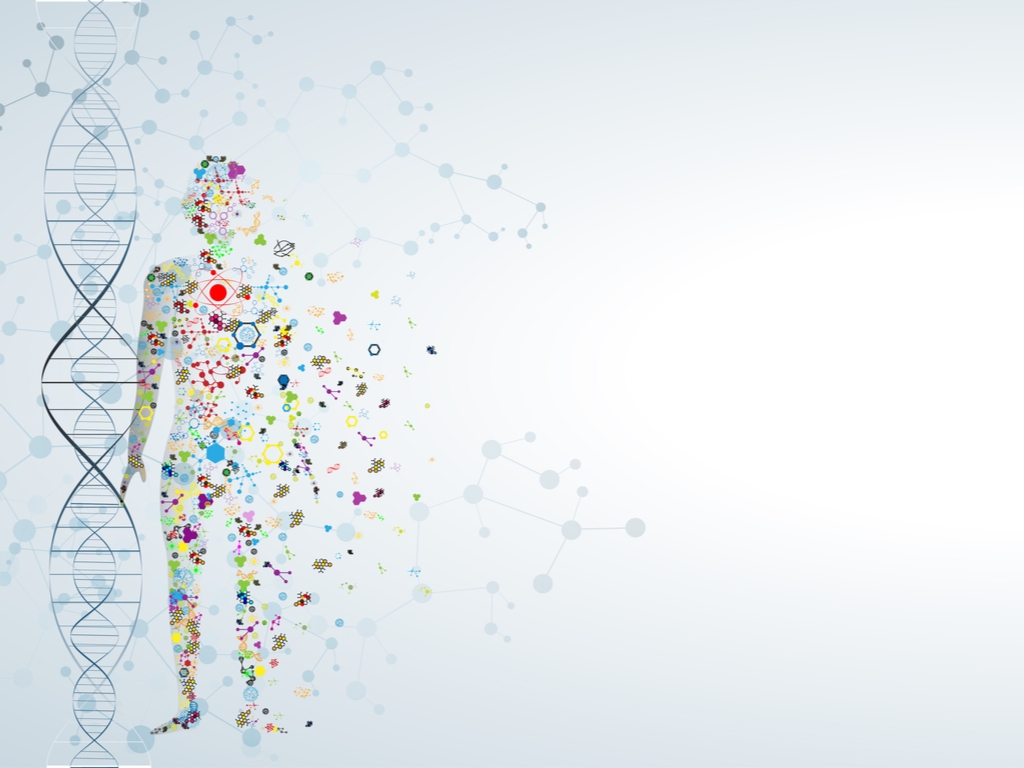
What is epigenetics?

Our Executive Perspectives are informational primers intended for executives and functional leaders. They are intended to provide a calculated mix of technical and commercial understanding of relevant topics in science and technology industries.
Overview
The field of drug discovery and biologics manufacturing is deeply technical, where one concept can snowball into various other areas of science and technology requiring a deeper understanding of the interrelationships among DNA, genes, chromosomes, proteins, cells, tissues and the organism as a whole.
This article serves to provide an executive overview of the science behind genomics, key topics of commercial importance and key trends in the marketplace.
What is Genomics?
Genomics is an essential field of research used in drug discovery, clinical diagnostics and gene therapy. It is the study of the genome, which is defined as the complete genetic makeup of an organism (the human genome is comprised of close to 3 billion DNA base pairs). Genomic research focuses on developing strategies for early detection, diagnosis and treatment of disease that targets the genes by:
1. Understanding the function of genes
2. Identifying variations in DNA sequence and its significance
3. Visualizing and assessing interactions of DNA and proteins within their environment
Why is Genomics Important?
The applications of genomic research have broad implications in drug and gene therapy. Through genomics research, scientists have discovered that different individuals respond to different therapies and treatments. Genomics research has paved the way for Pharmacogenomics (or personalized medicine). This area of research is promising in identifying effective therapies for persons who will respond positively to certain treatments while avoiding treatment in those who may have potential adverse reactions.
Scientists are able to do so through an understanding of how genes are structured and their interaction with their environment. A common genetic variation that has allowed researchers to better understand an individual’s response to certain drugs are called SNPs.
Single nucleotide polymorphisms (SNPs) occur when a single nucleotide is replaced for another (ie. Cytosine for Thymine). These SNPs can act as biomarkers (biological markers) that are co-located with a gene and will provide information on a person’s susceptibility to a particular disease. These biomarkers do not code for the disease, but the mere presence in the genome adjacent to specific genes will inform researchers that a particular individual is at a higher risk for a particular disease. SNPs are fairly common – occurring ever 1,000 base pairs with nearly 4-5 million SNPs to be found in a single genome. Therefore, SNPs provide a rich source of information for researchers and are used frequently in understanding a person’s susceptibility to disease.
What is Gene Editing?
Gene editing technologies give researchers the ability to alter an organism’s DNA by adding, removing or altering locations in the genome. Two emerging gene editing technologies that have generated interest and excitement within the research community include CRISPR-Cas9, short for “clustered regularly interspersed short palindromic repeats” and ZFN, short for “zinc finger nuclease”.
What is CRISPR?
The discovery of the CRISPR-Cas9 sequences in bacterial cells goes back to the 1980s[1] but a flurry of activity took place in 2005-2008 and then again in 2011-2013 that presented a deeper understanding of the mechanisms for its occurrence and potential applications in human therapeutics.
CRISPR is a naturally occurring defense mechanism found in bacterial cells against viral invaders.
NOVA put together the following video to better describe what CRISPR is.
Bottom-line, CRISPR-Cas9 is as an offensive gene editing tool. It works as a search and cut tool to identify the exact genetic location (CRISPR) to be cut using the Cas9 enzyme (a genomic scissor that cuts a specific nucleotide). Applications for CRISPR-Cas9 include gene knockouts, tagging or surgically cutting a single nucleotide.
What are Restriction Enzymes?
Restriction Enzymes (restriction endonucleases) are protein enzymes that act as “molecular scissors” to replace or delete genetic sequences. They were first discovered in bacteria and are usually 4, 6, or 8 basepairs long[2]. Type 1 restriction enzymes are indiscriminate and have no practical value in genetics research. Whereas Type 2 restriction enzymes cleave at or near restriction sites (palindromic nucleotide sequences, eg AATCTAA). These endonucleases or restriction enzymes may cleave one strand or two (double-stranded DNA break) or RNA thereby modifying DNA. When methyl groups are added to adenine or cytosine, it disguises the nucleotide and protects the specific gene from being cleaved.
While more than 3,600 restriction enzymes have been characterized, over 250 restriction enzymes are commercially available[3].
What is ZFN?
A zinc finger is a location on the protein structure that is defined by its zinc ion bonds. Approximately 3% of the human genome contains zinc fingers. These zinc fingers can be engineered to have an affinity for specific sequences within the genome.
Zinc Finger Nuclease (ZFN) is an artificial form of a restriction enzyme that leverages the zinc finger structure to increase specificity of restriction enzymes. The biggest challenge posed by traditional restriction enzymes is that they tend to be only 4-8 base pairs and as such, may bind to and cleave non-target DNA (low specificity). Imagine the ramifications of cleaving non-target DNA or skipping the target by one or two nucleotides.
ZFNs recognize DNA sequences 9 to 18 base pairs in length – this longer basepair sequence allows for greater specificity. Sangamo Biosciences (a Richmond, California based biotech firm) developed a proprietary platform for zinc-finger construction in partnership with Sigma-Aldrich (CompoZr) that eliminates the need for constructing zinc fingers. Sangamo’s website boasts over 3,200 zinc finger modules[4] that can be engineered as potential therapeutic tools for targeting a specific location in the human genome. By combining Sangamo’s zinc fingers with functional DNA, researchers can target specific DNA sequences and edit, repair or adjust expression levels to treat particular diseases.
What are Knock-Out Genes?
The term “knockout” is used to describe the ability to turn OFF a particular gene using gene editing technologies (ie. CRISPR or ZFN). Sangamo Therapeutics has engineered ZFN technology that targets specific genomic sequences in the treatment of MPS I, MPS II and hemophilia B.
Common Protocols Used in Genomics
While genomic discussions center around the advancements in technology to better target the gene of interest, the fundamental process of isolating, extracting and multiplying genes of interest for research include these two widely-accepted protocols that frequently come up in conversation: nucleic acid isolation and PCR.
Nucleic acid isolation occurs when a cell is lysed, all particles that are not of interest are removed and the DNA or RNA of the gene of interest is removed.
The next step in the process often involves DNA amplification, which is often done using an industry standard technique called polymerase chain reaction or PCR[5]. The PCR process is fairly simple. It requires a thermocycler to heat and cool DNA for separation and binding (annealing), oligonucleotide primers that serve as the starting point for DNA doubling, DNA polymerase (an enzyme that synthesizes DNA molecules from nucloetides[6]), nucleotides (DNA building blocks ATGC) and target DNA.
There are several types of PCR available on the market, including:
- End-Point PCR is the quantification of PCR at the completion of the PCR process – given the doubling nature of PCR, it was assumed that at the end of the process, a researcher would know with a high degree of certainty the amount of DNA but that wasn’t always the case. This remains an industry work-horse and is often used to answer yes/no questions[7].
- Real-Time PCR provides “real-time” information throughout the PCR process through quantification of luminescence tags used in “Quantitative PCR”.
- Quantitative PCR (qPCR) provides real-time information on the doubling rates in the PCR thermocycler by using cameras to read fluorescent tags. When the cameras read these tags, they can identify the increase in luminescence and chart the data over the cycles to determine doubling rates as well as identify the original quantity of DNA
- Digital PCR (dPCR) is a method that allows for the quantification of the amount of DNA that is amplified in the PCR process.
- Reverse Transcription PCR (RT-PCR) uses RNA instead of DNA as a starting point for PCR. It is so called because the RNA has to be first transcribed into DNA before the normal PCR process will start.
One other important area of PCR worth mentioning are the kinds of tests (assays) used. One of the most prevalently used assays is the TaqMan Assay, which was first developed by Applied Biosystems (now Thermo Fisher Scientific). The TaqMan Assay is a thermo-stable polymerase that is used in the PCR process. It is better suited for the heat-cool process of DNA annealing and is considered to be the gold standard in PCR.
Genomics Use in Therapies
Several therapeutic areas that are dependent on genomics research include:
- Companion diagnostics
- Invitro diagnostics
- Molecular diagnostics
- Epigenetics
What is Companion Diagnostics?
Companion Diagnostics (CDx) is testing performed prior to administering patient therapy. These diagnostics tests are used to determine whether the therapeutic drug would be suitable for a specific person. According to the FDA, a CDx can be in vitro or an imaging tool. As of February 2019, there were 35 FDA-approved companion diagnostics[8].
What is In Vitro Diagnostics?
In vitro diagnostics (IVD) is a form of testing done on blood and tissue taken from the body.
What is Molecular Diagnostics?
Molecular diagnostics[9] are a series of tests conducted to analyze biological markers in order to detect, diagnose and monitor a patient’s response to therapy. A burgeoning field of research within molecular diagnostics is taking place in the areas of Epigenetics.
What is Epigenetics?
Epigenetics is the study of changes in organisms in response to modifications or gene expression rather than the genetic code. For a deeper understanding of Epigenetics, please see our “Executive Perspectives on Epigenetics“.
What is Next Generation Sequencing?
Next Gen Sequencing (NGS)[10] is a method for transcribing the nucleotide strands for an organism in parallel – allowing for the sequencing of large genomic data. Next Generation Sequencing was a hot topic leading up to and following the sequencing of the human genome. Since then, technology has advanced considerably that the cost and speed to sequence whole genomes has gone from $95 million to sequence the whole genome in 2001 to $1,121 in 2017[11].
Trends
The area of genomics research continues to evolve. There are several trends that have emerged over the past decade in response to new technologies or discoveries worth noting – several of which have already been mentioned: NGS, Knock-Out Genes, Companion Diagnostics and Epigenetics.
- Knock-out genes: with technologies such as CRISPR and ZFN, the ability to knock out individual genes that may cause disease has armed scientists with a new tool to fight against disease
- Companion diagnostics: while not necessarily new, the recent discoveries have created a renewed focus on ensuring that therapies are effective within the individual rather than the many.
- Epigenetics: this field within molecular diagnostics is a unique area that looks at gene expression rather than the code itself to determine the impact on disease. Research in this area is currently focused on DNA methylation to better understand predisposition and environmental triggers that could lead to cancer.
Another trend not yet mentioned are liquid biopsies – the ability to read biomarkers in blood and urine. Advancements in epigenetics has made it possible to avoid painful and difficult extractions from tissue biopsies by using biomarkers released in body fluids.
Finally, the field of bioinformatics and computational genomics are exploding. Epigenetics is a large, untapped market opportunity for software solutions that is just starting to gain traction.
Insight
Genomic research underpins cell and gene therapy – allowing doctors to be more targeted in treating the disease by turning off disease-causing genes and/or correcting mutations that allow diseases like cancer to overtake a person’s immune system. The key however, is to get there early.
By: Kiran Chin
REFERENCES
[2] https://ag.purdue.edu/agry/courses/SiteAssets/Pages/AGRY_321_question/Chapter%203.PDF
[4] https://www.sangamo.com/technology/zinc-finger-platform
[6] https://en.wikipedia.org/wiki/DNA_polymerase
[7] https://www.biocompare.com/Editorial-Articles/179491-dPCR-vs-qPCR-vs-Endpoint-PCR/
[8] https://www.fda.gov/MedicalDevices/ucm301431.htm
[9] https://www.springer.com/gp/book/9781441907684
[10] https://www.cancer.gov/publications/dictionaries/genetics-dictionary/def/next-generation-sequencing
FEATURED INSIGHTS

What is gene therapy?